Dementia Narrative
People with dementia often experience various problems with eating and drinking. Eating a healthy, balanced diet is important. It can help maintain physical and mental well-being.
Looking at previous campaigns there is nothing on dementia suffers and their diet as I known from having relatives with this condition there eating habits change dramatically as the disease takes over. the appetite is suppressed or they over eat. but it is still important for them to get a balanced diet there are tips and ideas that carers can do to deal with this here are some examples
Advice from the Alzheimers Society
- Regular snacks or small meals are better than set mealtimes.
- Make food look and smell appealing. Use different tastes, colours and smells. The aroma of cooking can stimulate someone’s appetite.
- Provide food the person likes. Try not to overload the plate with too much food; small and regular portions often work best.
- Positive encouragement and gentle reminders to eat, and of what the food is, may help.
- A relaxed, friendly atmosphere with some soft music may help.
On big problem with dementia suffers may have difficulties with chewing food. They may forget to chew or they may hold food in their mouth. Certain foods, such as sweetcorn or dry biscuits, may be more difficult for the person to chew or swallow. These should be avoided. If the person is experiencing pain in their mouth it will make chewing uncomfortable and difficult. As dementia progresses swallowing difficulties become more common, although they can vary from person to person. If a person is having difficulty with swallowing, a referral to a speech and language therapist can help. Difficulties can include holding food in the mouth, continuous chewing, and leaving harder-to-chew foods (eg hard vegetables) on the plate. Weight loss, malnutrition and dehydration can also be consequences of swallowing difficulties.
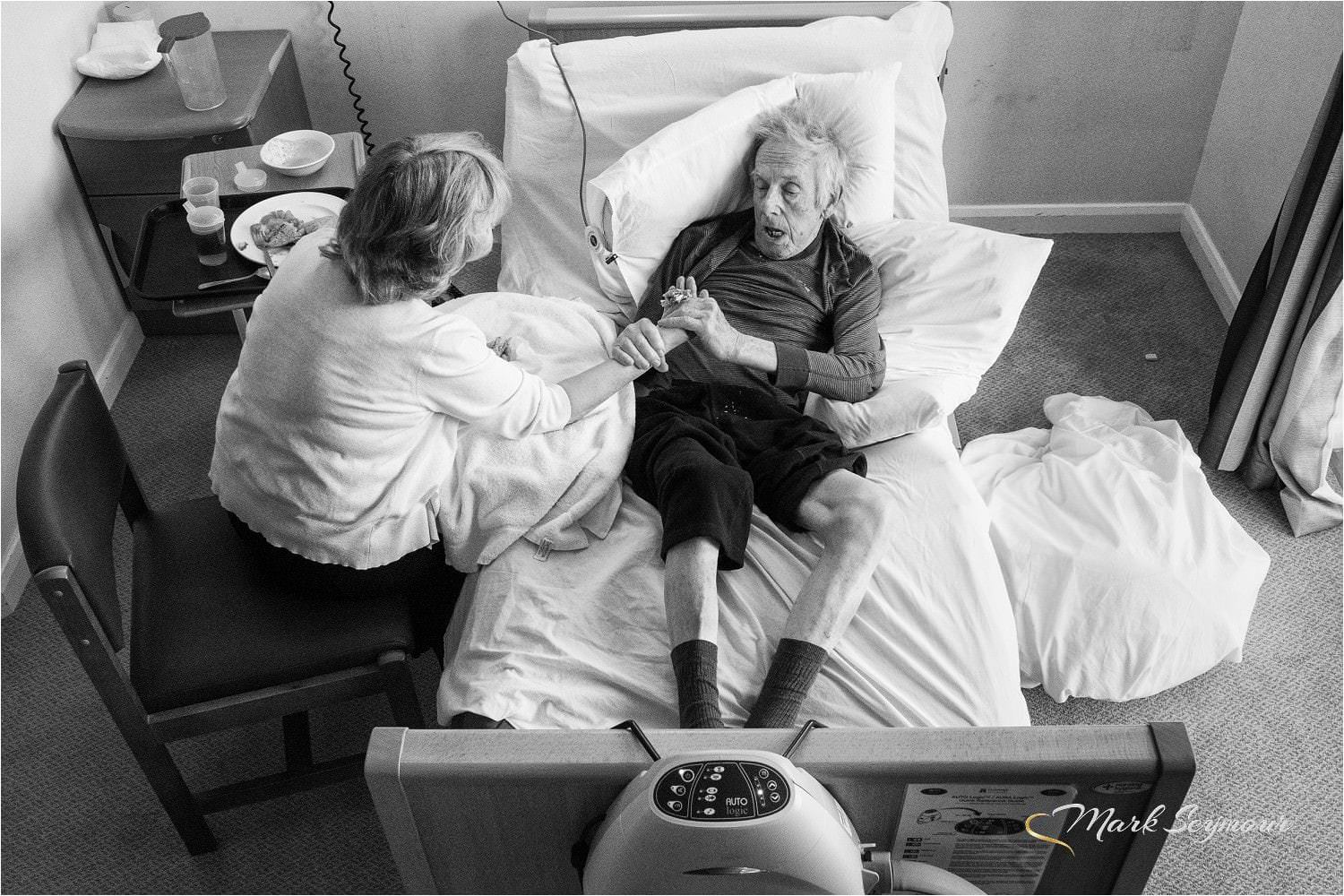
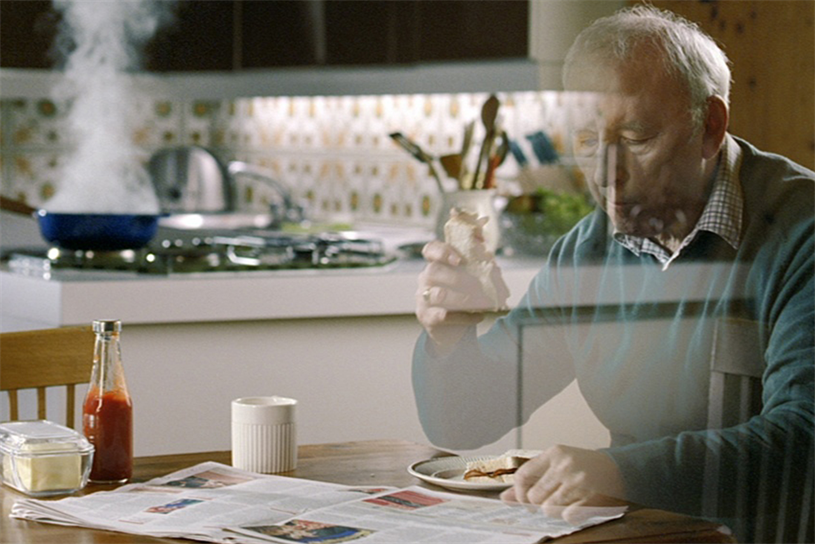
This is the bases of my narrative the progression of dementia through food. As there is no other campaign like it there is a need for it to be highlighted. I want to show this through the carers perspective as they are watching someone they love revert back to a child by their mannerisms and the way they can't remember simple task for example eating with a knife and fork. Seeing relatives change from the happy go lucky self to a child again more less is saddening to see for both sufferer and carer more so for the carer as the see the progression more so hence I want to show this point of view. The other main idea I had for my narrative is not to show the face of the sufferer or less of face as possible as if a person face is shown I believe the campaign would be too focused around their individual story and not the message of the campaign which is about dementia sufferers and their relationship with food.